June 30, 2026
Crisis and Opportunity in Venezuela: Post-Earthquake Needs Assessment Signals Deepening Local Reliance and Strong Desire for U.S. Aid
By Emily Guthrie
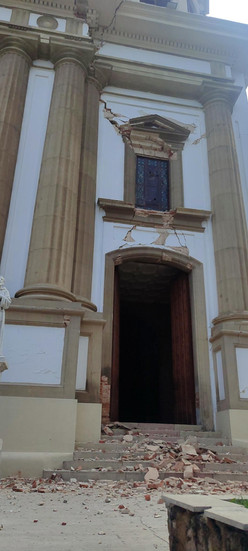
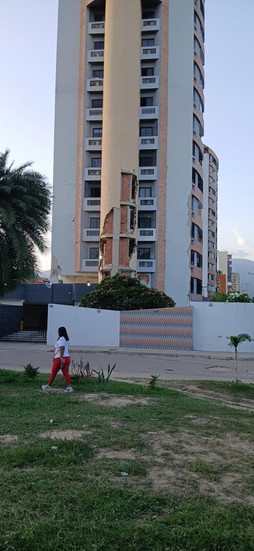
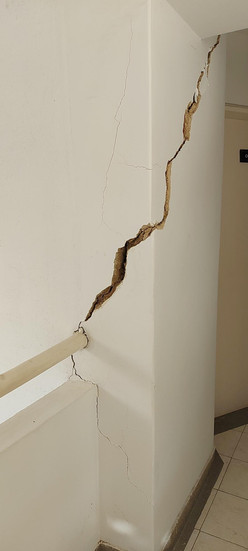
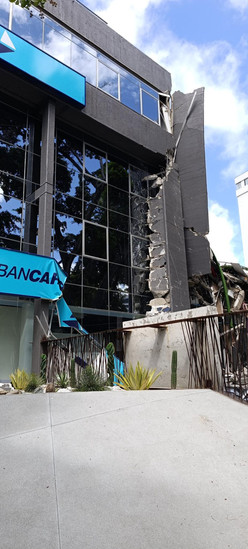
A newly released Premise survey in Venezuela offers critical insights for international humanitarian organizations, diplomatic bodies, and U.S. foreign policy strategists responding to the aftermath of the recent earthquake. Conducted between June 25 and June 30, 2026, with 705 respondents across 22 subnational regions, the survey highlights a severe gap between official response efforts and ground-level realities.
For international development agencies and U.S. policymakers, the findings underscore both an urgent humanitarian need and an important opportunity to better understand where communities are relying on local support, where assistance is most needed, and how international partners can help fill critical gaps.





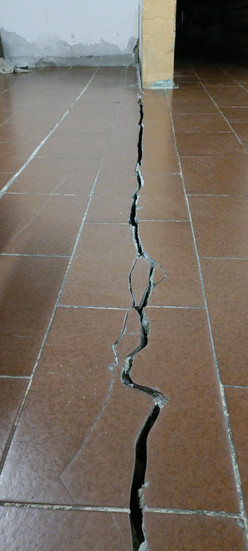
1. Immediate Humanitarian Priorities: Life Support Over Long-Term Recovery
The immediate aftermath of the earthquake shows a population focused heavily on basic survival priorities. Nationally, 39% of communities were directly impacted. When assessing immediate needs, respondents consistently prioritize immediate safety and life-sustaining resources:
· Primary Concern: The safety of family and friends remains the single highest priority at 21% (n=149).
· Survival Priorities: Food security (17.0%) and clean fresh water (17.0%) share the second tier of urgency.
· Infrastructure & Security: Concerns regarding healthcare infrastructure (15.0%), general security (14.0%), and residential cooking/heating fuels (14.0%) remain highly prominent.
Regional Dynamics: A Tale of Two Crises
The data reveals a stark divergence in priorities depending on the localized severity of the earthquake. In the Most Impacted Regions (including Distrito Capital, Miranda, Carabobo, Aragua, and Vargas), acute displacement has driven immediate needs like shelter (20%) and residential fuels (19%) to the forefront. Conversely, in Least Impacted Regions, the focus has already shifted toward security (16%) and long-term recovery, such as restoring livelihoods (11%).
Priority Rank | Most Impacted Regions (n=292) (Distrito Capital, Miranda, Carabobo, Aragua, Vargas) | Least Impacted Regions (n=169) (Táchira, Zulia, Monagas, Portuguesa, Bolívar) |
1 | My family and friends (23%) | My family and friends (16%) |
2 | Access to food (21%) | Security (16%) |
3 | Clean fresh water (21%) | Access to food (13%) |
4 | Shelter (20%) — Highlights displacement | Clean fresh water (12%) |
5 | Residential fuels (19%) — Highlights infra damage | My livelihood (11%) — Focus on long-term recovery |
2. The Profile of Isolated Pockets
A small but acute crisis is unfolding within completely isolated communities, which comprise 3% (n=21) of the total population surveyed. One-third of these isolated reports stem directly from Distrito Capital.
Using Distrito Capital as a proxy, these isolated pockets are experiencing intensified deprivation:
· Food Needs: 26% (well above the national average).
· Clean Water Needs: 25%.
Desperation in these areas has driven a near-unanimous demand for external intervention, with 90% of respondents in isolated zones welcoming international assistance.
3. Geopolitical Implications: An Overwhelming Preference for U.S. Aid
For diplomatic and security sectors, the most striking aspect of the assessment is the clear public mandate regarding external assistance. An overwhelming 85% of all respondents welcome international aid, and they have a decisive preference for who should lead the recovery efforts:
· United States: 62.0% (n=435) explicitly prefer the U.S. as their primary international partner.
· No Opinion: 14.0% (n=102).
· China: 7.0% (n=49).
· Other: 6.0% (n=42).
This strong alignment with the United States over regional competitors like China presents a clear opportunity for U.S. soft power, disaster diplomacy, and strategic stabilization initiatives in the region.
4. A Collapse of Confidence in National Governance
The mandate for international aid directly mirrors a profound trust deficit in the Venezuelan national government's disaster response capacity.
When asked whether they believed the national government was sufficiently prepared to handle the crisis, 55% of respondents expressed a clear lack of confidence, with a staggering 31.0% strongly disagreeing with the notion that the government was prepared.
The breakdown of survey responses regarding government preparedness highlights this sentiment:
This institutional vacuum is further supported by operational realities on the ground:
· 87% of respondents reported that formal emergency services never came to their aid.
· When identifying who was actually facilitating recovery, "Local neighbors" (163 mentions) were cited more than twice as often as "Local government" (73 mentions) and "National agencies" (30 mentions) combined.

Strategic Takeaways:
· Bypass Centralized Channels Where Possible: Given that community-level self-help is significantly outpacing formal state execution, aid delivery mechanisms should prioritize and empower local neighborhood networks and mutual-aid structures.
· Target the Distrito Capital Enclaves: Immediate logistics must be mobilized toward the isolated pockets within Distrito Capital to alleviate the severe 25–26% deficits in food and clean water.
· Capitalize on Disaster Diplomacy: With 62% of the population explicitly seeking U.S. partnership, providing transparent, swift, and substantial humanitarian assistance can build deep structural goodwill and counter competitor influence (such as China's 7% preference share).
· Address the Security Vacuum: In lesser-impacted regions, security is already tied with family safety as a top priority. Strategic planning must account for regional stabilization and community security alongside material aid distribution.
By capturing localized, real-time perspectives from communities across Venezuela, Premise provides decision-makers with the ground-level insight needed to better understand emerging needs, identify response gaps, and support more targeted humanitarian action.

ABOUT THE AUTHOR
Emily Guthrie is the Director of Data Acquisition at Culmen, where she oversees the strategic sourcing of real-time, ground-truth data through the Premise platform. With a career spanning international development, peacebuilding, and tech operations, Emily specializes in bridging the gap between complex global challenges and data-driven solutions.